
Vision Technology built for Physical AI
Vision Technology built for Physical AI
FlyEye® Vision Sensor
Vision Technology built for Physical AI
FlyEye® Vision Sensor
Physical AI systems must make decisions from what they perceive in the real world. When visual information is lost or corrupted at the sensor, downstream AI cannot reliably recover it.
Conventional image sensors were developed primarily to produce images for human viewing. AI4IV takes a fundamentally different approach: our vision technology is designed to preserve the information intelligent machines need to perceive and act.
We thrive where others break down
Physical AI systems must make decisions from what they perceive in the real world. When visual information is lost or corrupted at the sensor, downstream AI cannot reliably recover it.
Conventional image sensors were developed primarily to produce images for human viewing. AI4IV takes a fundamentally different approach: our vision technology is designed to preserve the information intelligent machines need to perceive and act.
We thrive where others break down
Physical AI systems must make decisions from what they perceive in the real world. When visual information is lost or corrupted at the sensor, downstream AI cannot reliably recover it.
Conventional image sensors were developed primarily to produce images for human viewing. AI4IV takes a fundamentally different approach: our vision technology is designed to preserve the information intelligent machines need to perceive and act.
We thrive where others break down
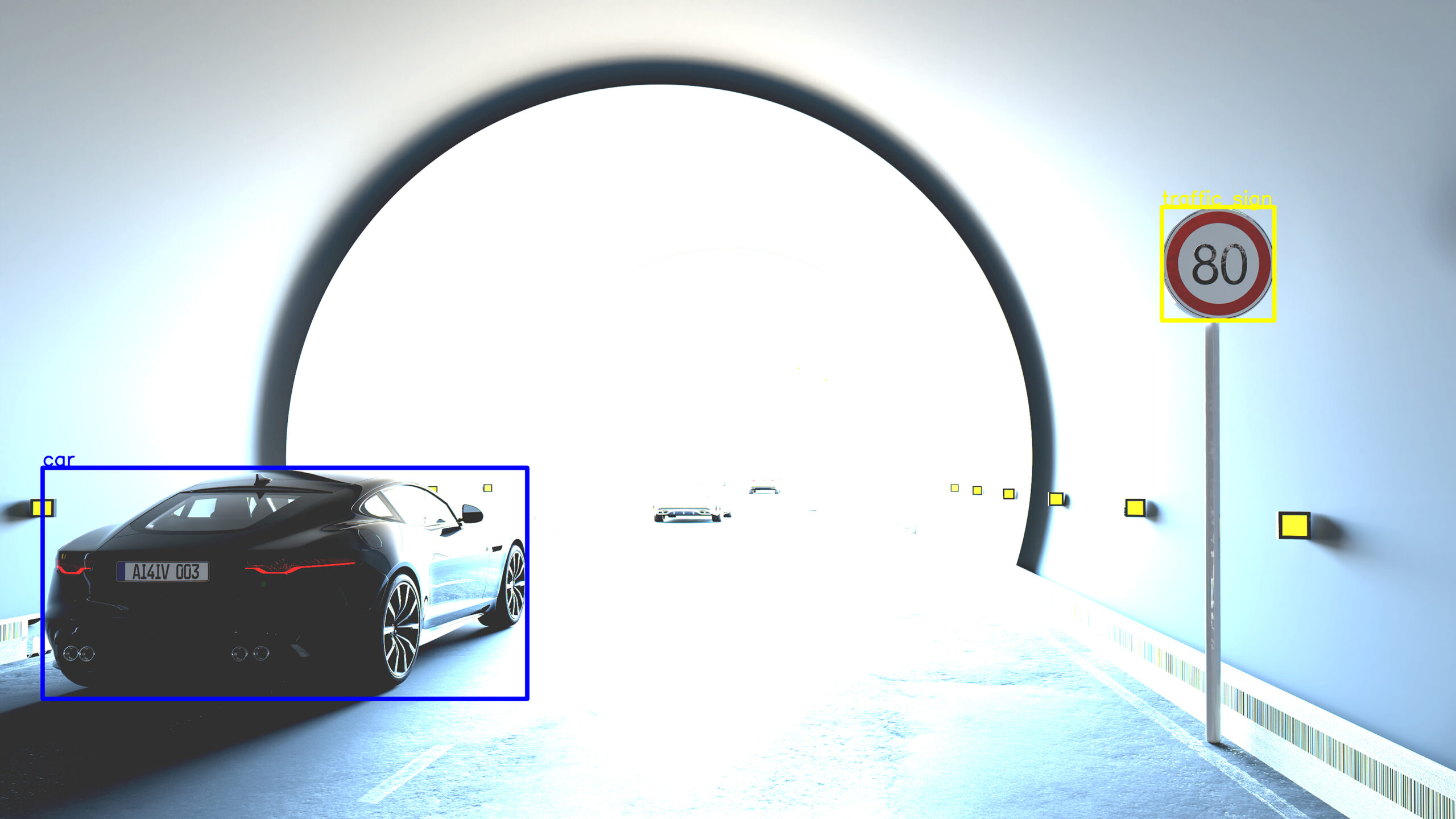
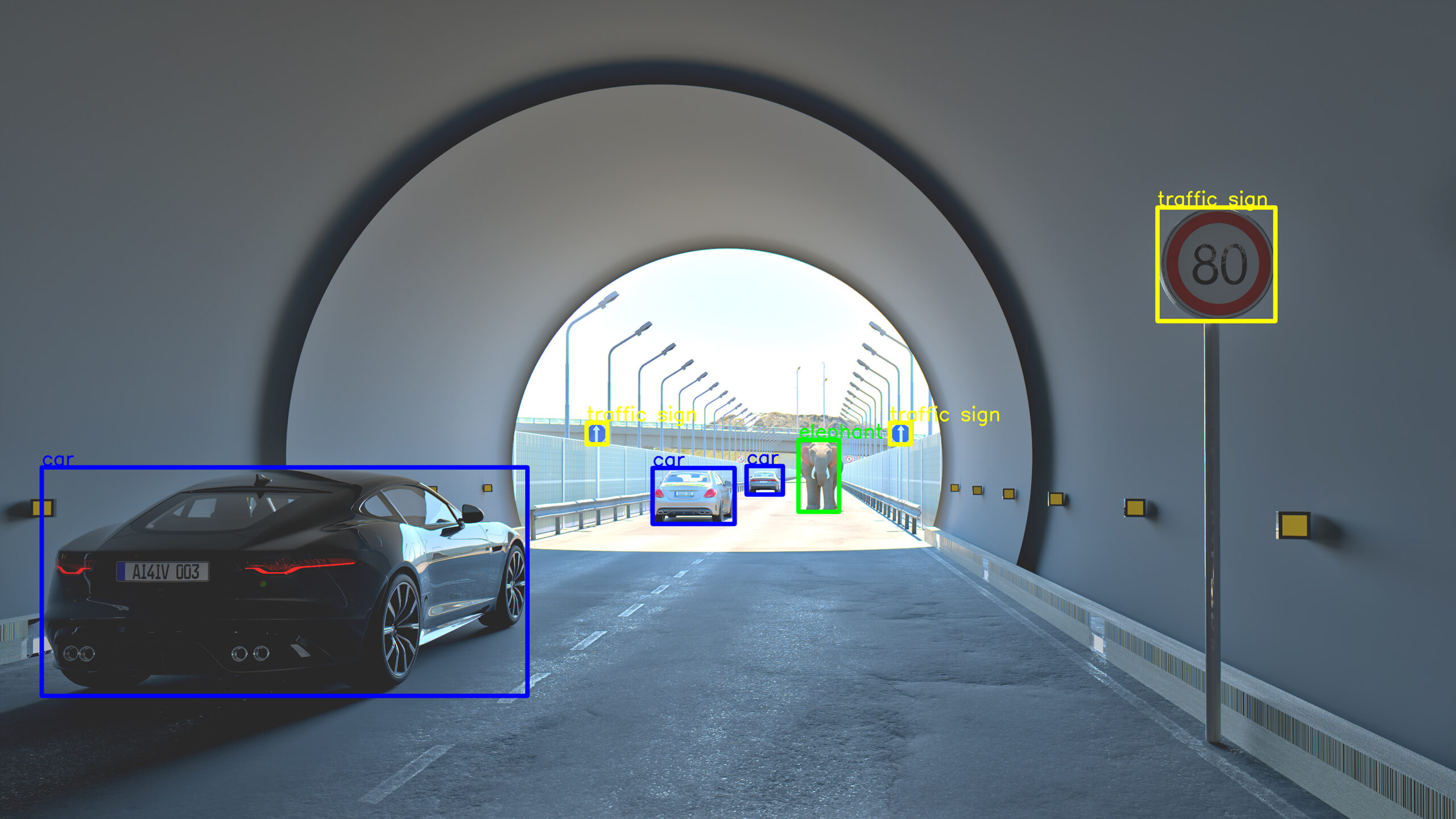
Traditional vision sensors struggle with extreme contrast. Our technology sees clearly, always. Slide to compare the advantage firsthand
Traditional vision sensors struggle with extreme contrast.
Our technology sees clearly, always. Slide to compare the advantage firsthand
Traditional vision sensors struggle with extreme contrast. Our technology sees clearly, always. Slide to compare the advantage firsthand
We Thrive Where Others Break Down
The Limitations of Standard Sensors
Real-world environments are unpredictable. Extreme contrast, glare, shadows, rapid movement and changing illumination can cause conventional vision systems to lose critical information or require complex processing to reconstruct it.
FlyEye® tackles these challenges at the point of acquisition.
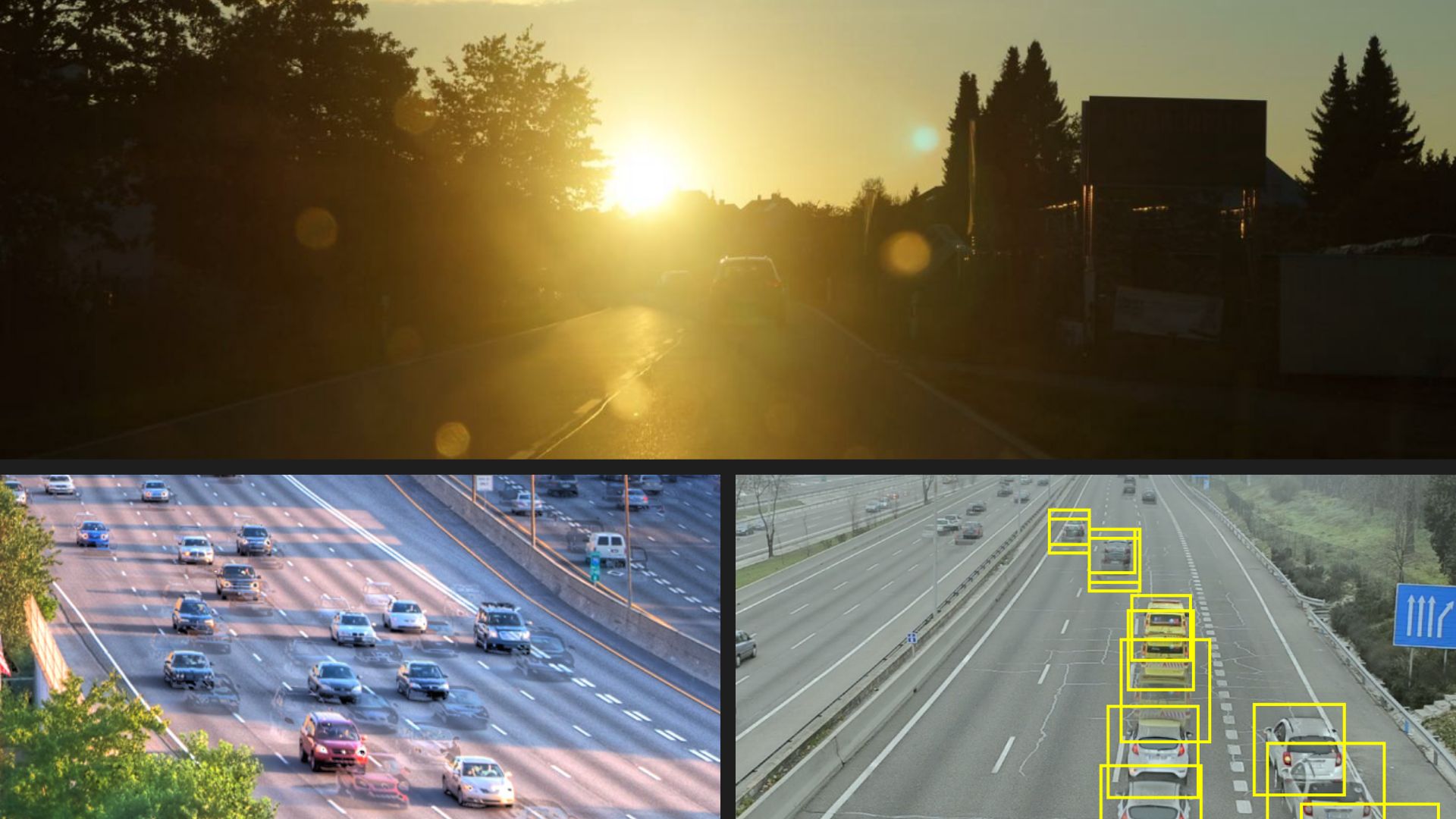
Inspired by biological vision, each FlyEye receptor adapts independently to local lighting conditions. The sensor captures extreme dynamic range in a single shot, producing information-rich visual data without the artefacts introduced by multi-exposure HDR techniques.
We Thrive Where Others Break Down.
The Limitations of Standard Sensors
Real-world environments are unpredictable. Extreme contrast, glare, shadows, rapid movement and changing illumination can cause conventional vision systems to lose critical information or require complex processing to reconstruct it.
FlyEye® tackles these challenges at the point of acquisition.
Inspired by biological vision, each FlyEye receptor adapts independently to local lighting conditions. The sensor captures extreme dynamic range in a single shot, producing information-rich visual data without the artefacts introduced by multi-exposure HDR techniques.
We Thrive Where Others Break Down.
The Limitations of Standard Sensors
Real-world environments are unpredictable. Extreme contrast, glare, shadows, rapid movement and changing illumination can cause conventional vision systems to lose critical information or require complex processing to reconstruct it.
FlyEye® tackles these challenges at the point of acquisition.
Inspired by biological vision, each FlyEye receptor adapts independently to local lighting conditions. The sensor captures extreme dynamic range in a single shot, producing information-rich visual data without the artefacts introduced by multi-exposure HDR techniques.
What Lies Beneath?
A Different Approach to Machine Perception
FlyEye® Receptors are miniature independent sensing units working together like a biological compound eye. Each receptor autonomously adapts its response to the light reaching it.
Adapts to any lighting
Handles movement with no artifacts
Industry leading energy efficiency
Instead of forcing the entire sensor to operate with one exposure strategy, FlyEye adapts locally to the scene.
The result: more of the information that matters survives the first and most critical step of the perception chain.
What’s Next?
From Sensing to Vision Intelligence
FlyEye® is the first layer of AI4IV’s vision architecture. Our roadmap combines bio-inspired sensing with Tensputer®, an ultra-efficient processing architecture designed for on-sensor neural-network inference.
By bringing sensing and intelligence closer together, AI4IV aims to reduce data movement, latency and power consumption, enabling compact, efficient vision systems for the next generation of Physical AI.
Bio-Inspired Sensing
Our FlyEye® sensor delivers real-time, artifact-free images with exceptional clarity, even in extreme lighting. This means more reliable data, faster decisions, and better performance for your vision-based applications.
Bio-Inspired Processing
Our AI engine, powered by Tensputer®, will bring intelligence directly on-chip, enabling fast and efficient scene understanding. Optimized for DNN inference with ultra-low power consumption, it will allow seamless deployment even on compact, battery-powered devices.
What Lies Beneath?
A Different Approach to Machine Perception
FlyEye® Receptors are miniature independent sensing units working together like a biological compound eye. Each receptor autonomously adapts its response to the light reaching it.
Adapts to any lighting
Handles movement with no artifacts
Industry leading energy efficiency
Instead of forcing the entire sensor to operate with one exposure strategy, FlyEye adapts locally to the scene.
The result: more of the information that matters survives the first and most critical step of the perception chain.
What’s Next?
From Sensing to Vision Intelligence
FlyEye® is the first layer of AI4IV’s vision architecture. Our roadmap combines bio-inspired sensing with Tensputer®, an ultra-efficient processing architecture designed for on-sensor neural-network inference.
By bringing sensing and intelligence closer together, AI4IV aims to reduce data movement, latency and power consumption, enabling compact, efficient vision systems for the next generation of Physical AI.
Bio-inspired Sensing
Our FlyEye® sensor delivers real-time, artifact-free images with exceptional clarity, even in extreme lighting. This means more reliable data, faster decisions, and better performance for your vision-based applications.
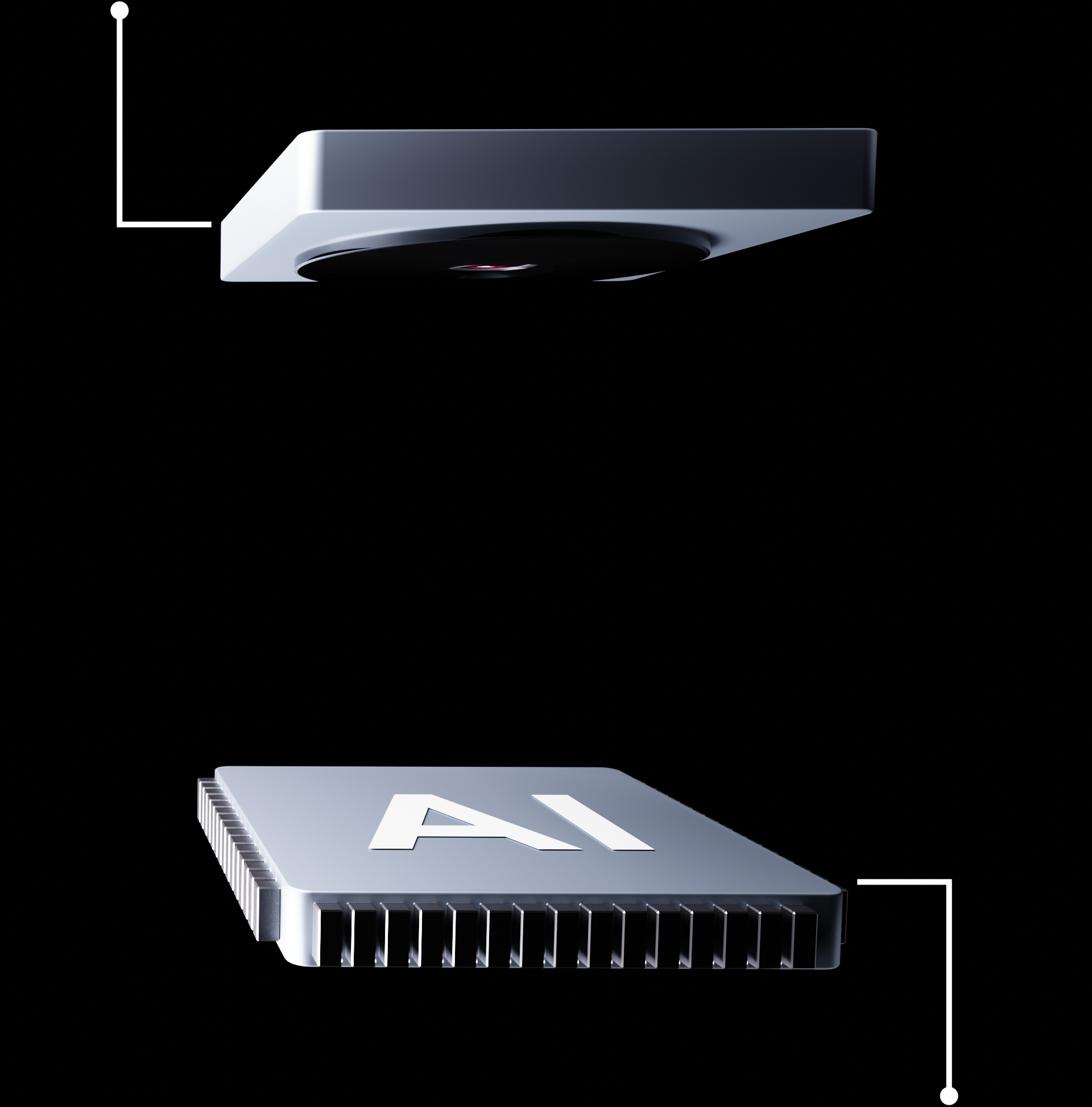
Bio-inspired Processing
Our AI engine, powered by Tensputer®, will bring intelligence directly on-chip, enabling fast and efficient scene understanding. Optimized for DNN inference with ultra-low power consumption, it will allow seamless deployment even on compact, battery-powered devices.
What Lies Beneath?
A Different Approach to Machine Perception
FlyEye® Receptors are miniature independent sensing units working together like a biological compound eye. Each receptor autonomously adapts its response to the light reaching it.
Adapts to any lighting
Handles movement with no artifacts
Industry leading energy efficiency
Instead of forcing the entire sensor to operate with one exposure strategy, FlyEye adapts locally to the scene.
The result: more of the information that matters survives the first and most critical step of the perception chain.
What’s Next?
From Sensing to Vision Intelligence
FlyEye® is the first layer of AI4IV’s vision architecture. Our roadmap combines bio-inspired sensing with Tensputer®, an ultra-efficient processing architecture designed for on-sensor neural-network inference.
By bringing sensing and intelligence closer together, AI4IV aims to reduce data movement, latency and power consumption, enabling compact, efficient vision systems for the next generation of Physical AI.
Bio-inspired Sensing
Our FlyEye® sensor delivers real-time, artifact-free images with exceptional clarity, even in extreme lighting. This means more reliable data, faster decisions, and better performance for your vision-based applications.
Bio-inspired Processing
Our AI engine, powered by Tensputer®, will bring intelligence directly on-chip, enabling fast and efficient scene understanding. Optimized for DNN inference with ultra-low power consumption, it will allow seamless deployment even on compact, battery-powered devices.
Whether you’re building autonomous vehicles, AR/VR wearable glasses or next-gen robotics AI4IV gives your system the vision it deserves.
Discover our Applications >
We developed a technology prototype to demonstrate the FlyEye sensor’s core innovation, self-adapting receptors.
Discover our Technology Prototype >
Whether you’re building autonomous vehicles, AR/VR wearable glasses or next-gen robotics AI4IV gives your system the vision it deserves.
Discover our Applications >
We developed a technology prototype to demonstrate the FlyEye sensor’s core innovation, self-adapting receptors.
Discover our Technology Prototype >
Whether you’re building autonomous vehicles, AR/VR wearable glasses or next-gen robotics AI4IV gives your system the vision it deserves.
Discover our Applications >
We developed a technology prototype to demonstrate the FlyEye sensor’s core innovation, self-adapting receptors.
Discover our Technology Prototype >